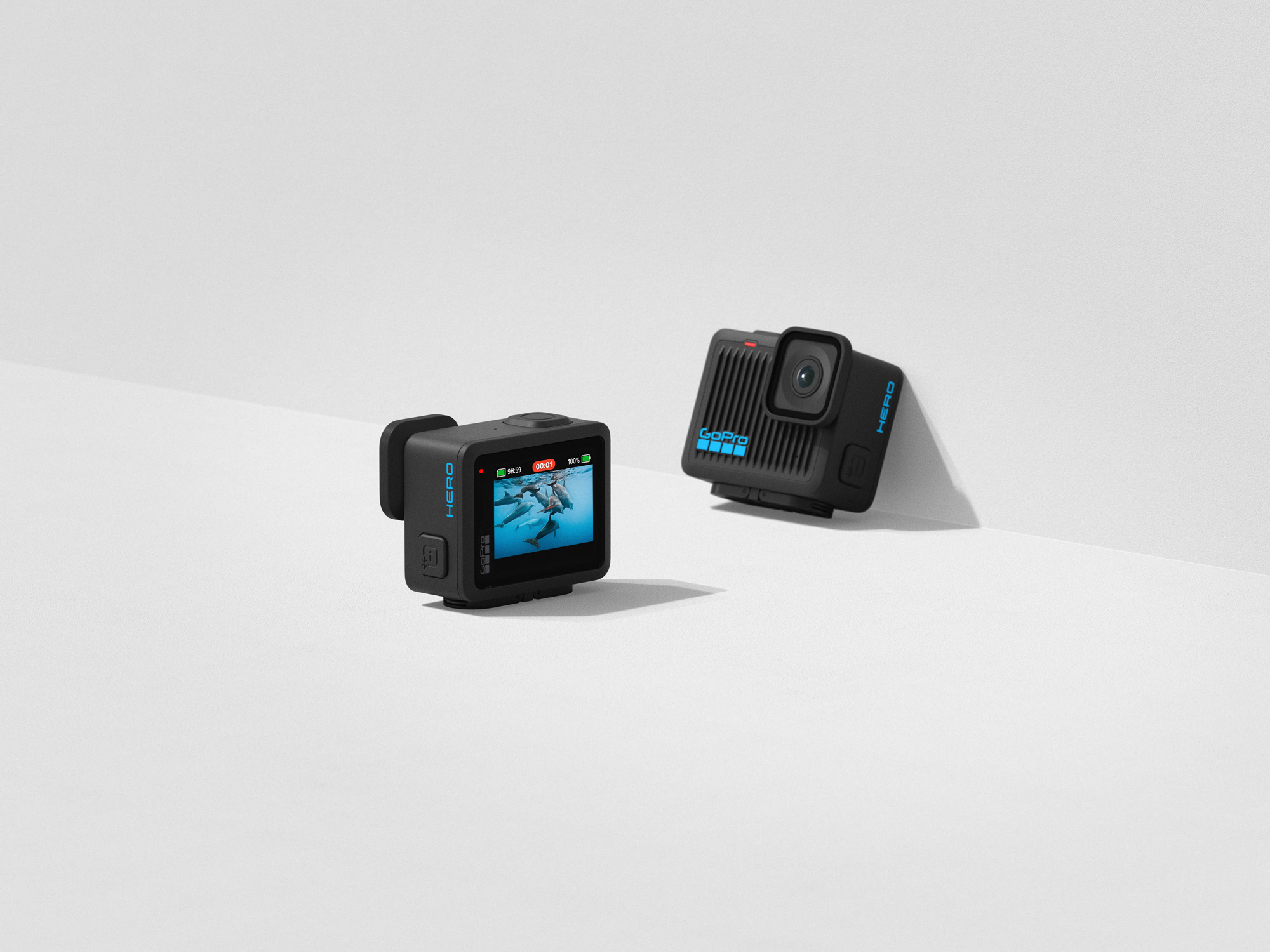
GoPro MAX2
Maximum capability. Zero limitations.
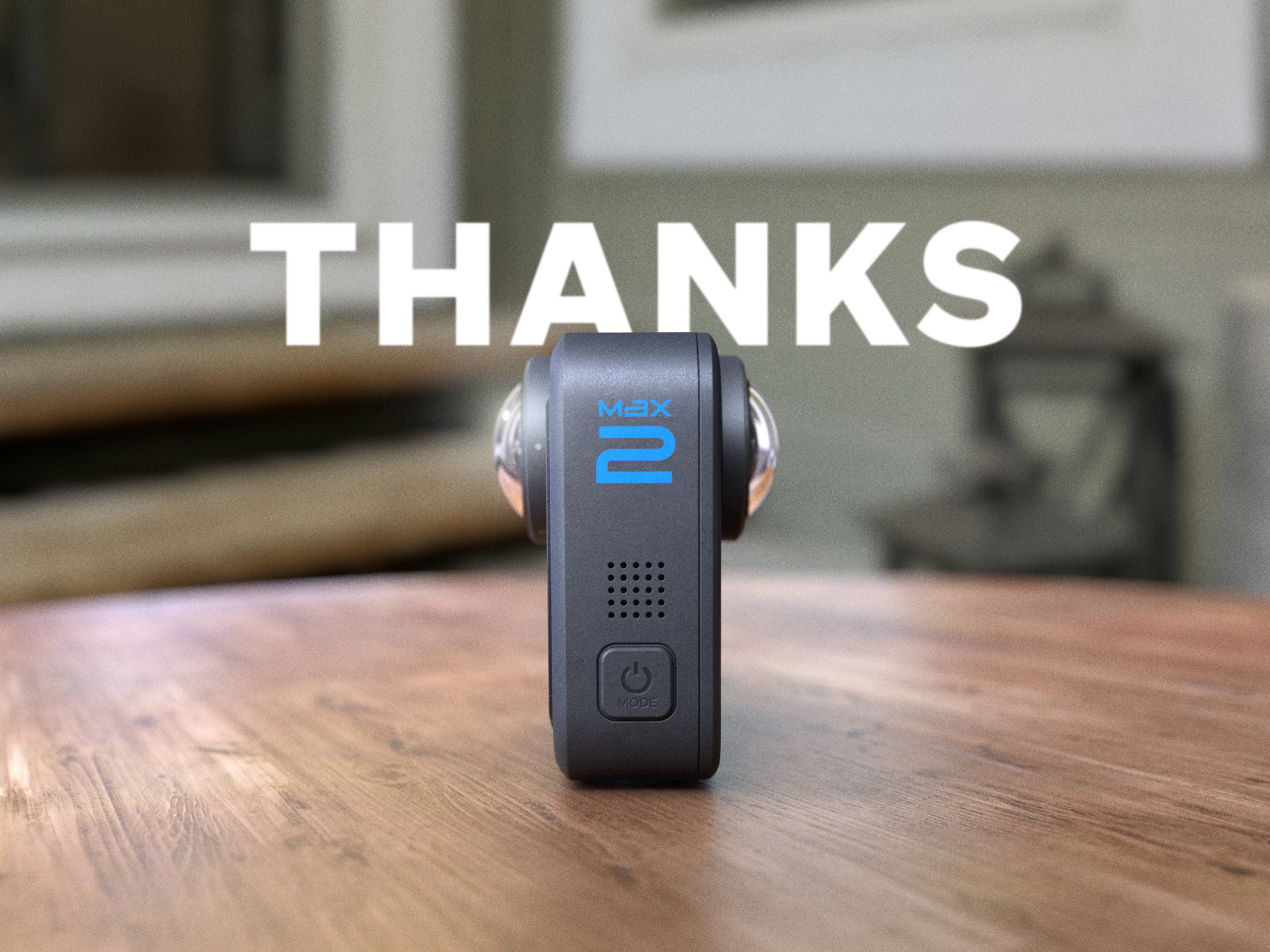
The MAX2 is GoPro's latest 360 camera, featuring True 8K resolution with up to 21% more resolution than the competitors, replaceable lenses, and next-gen HyperSmooth stabilization. It's more than a 360 camera. It's 360... MAX'D.
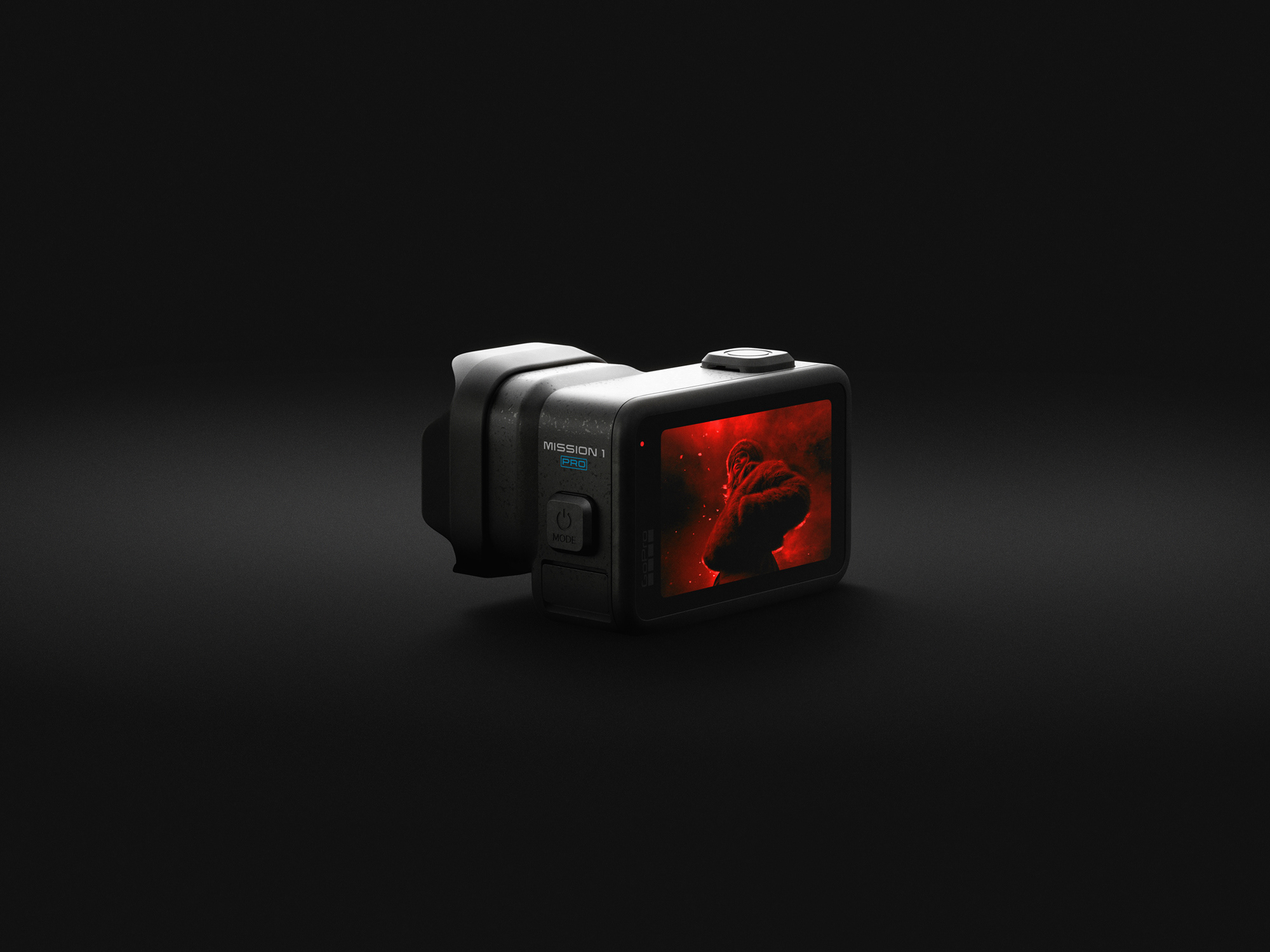
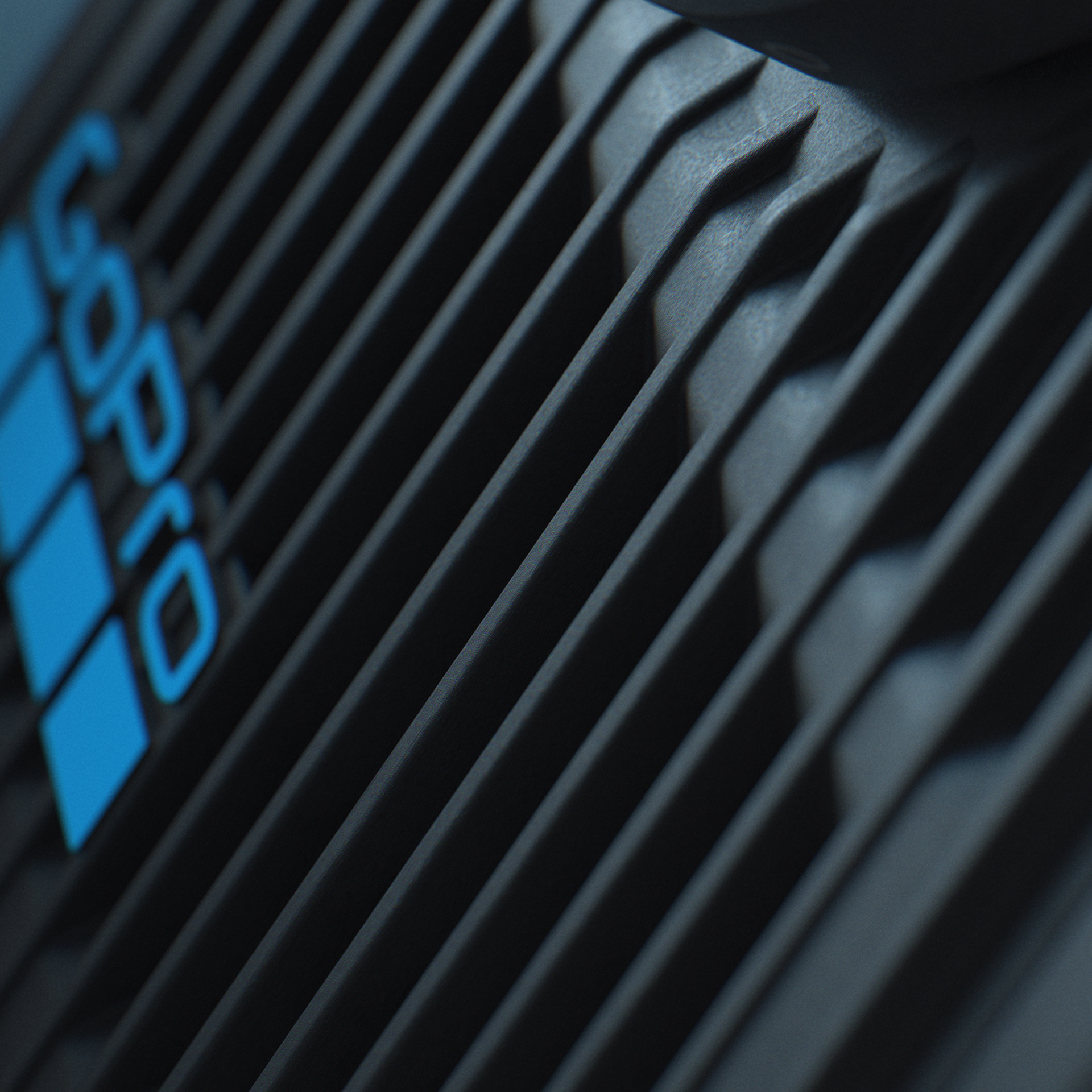
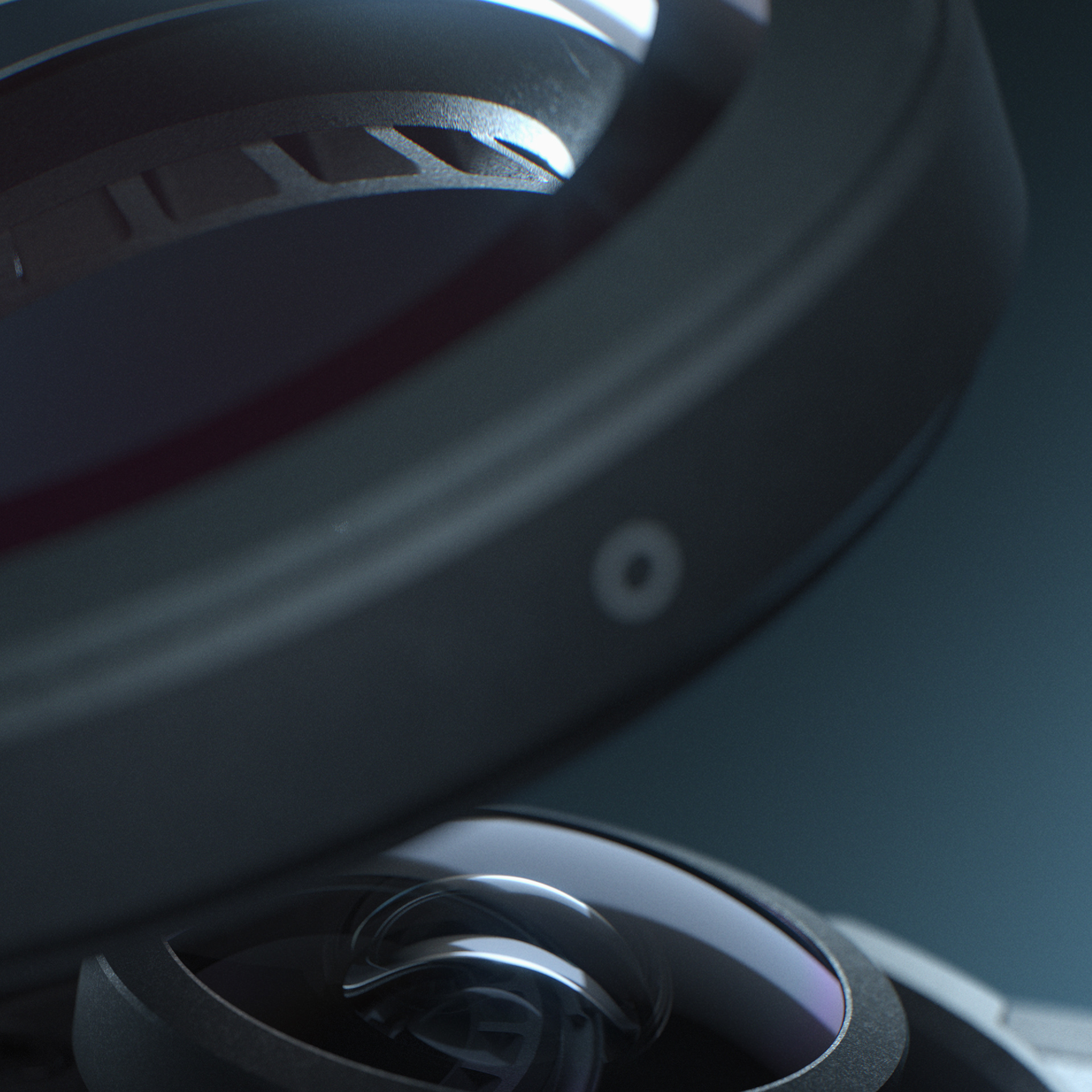
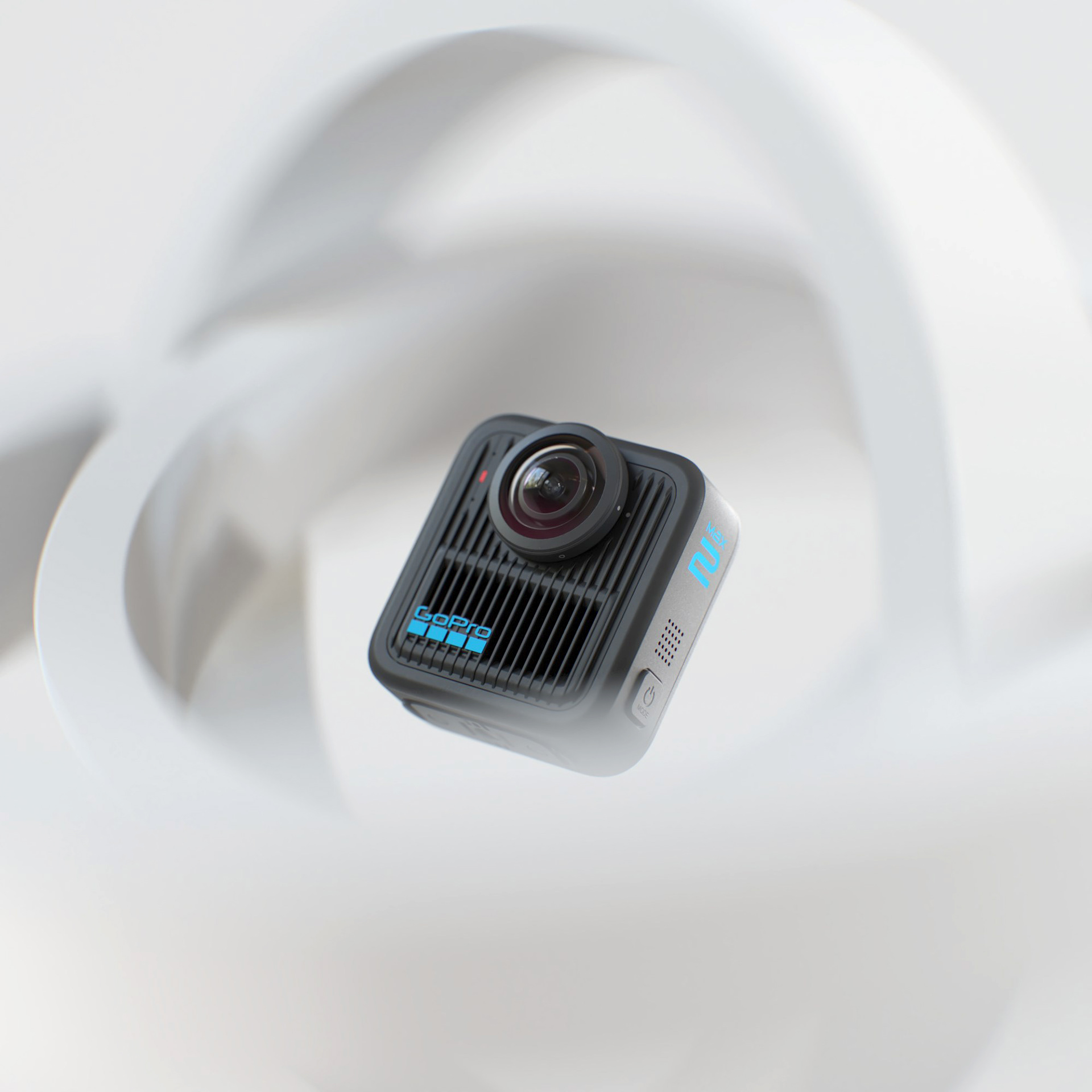
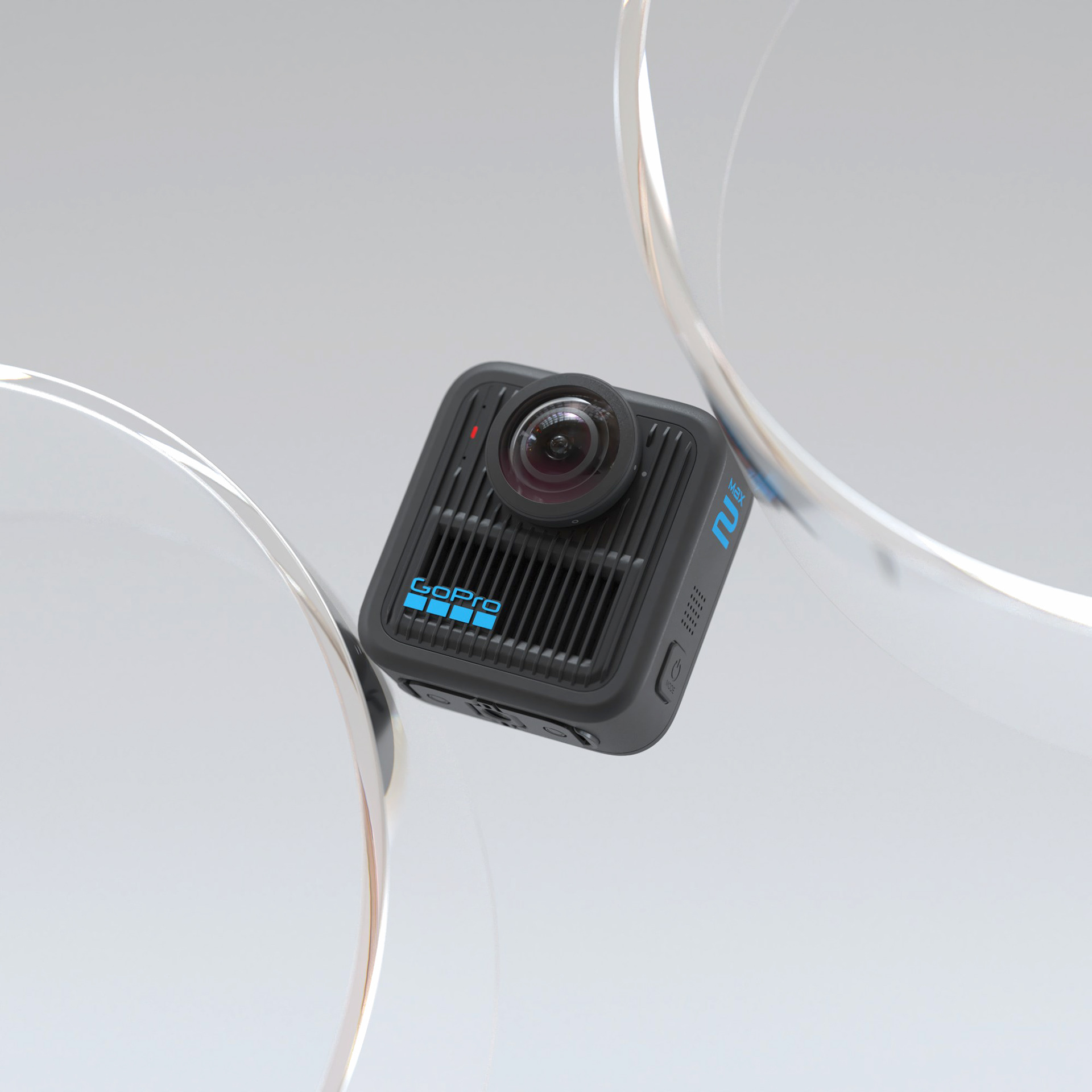
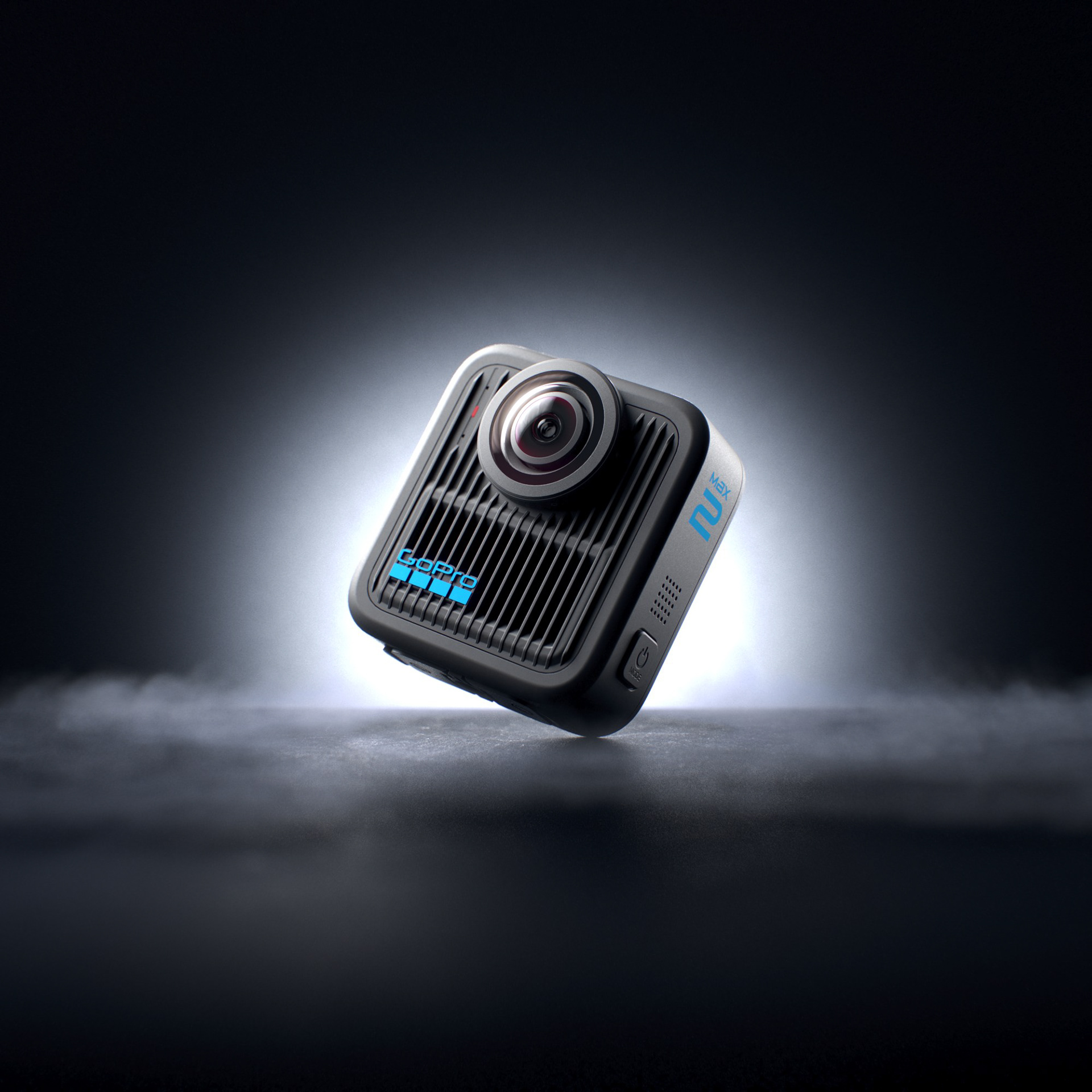
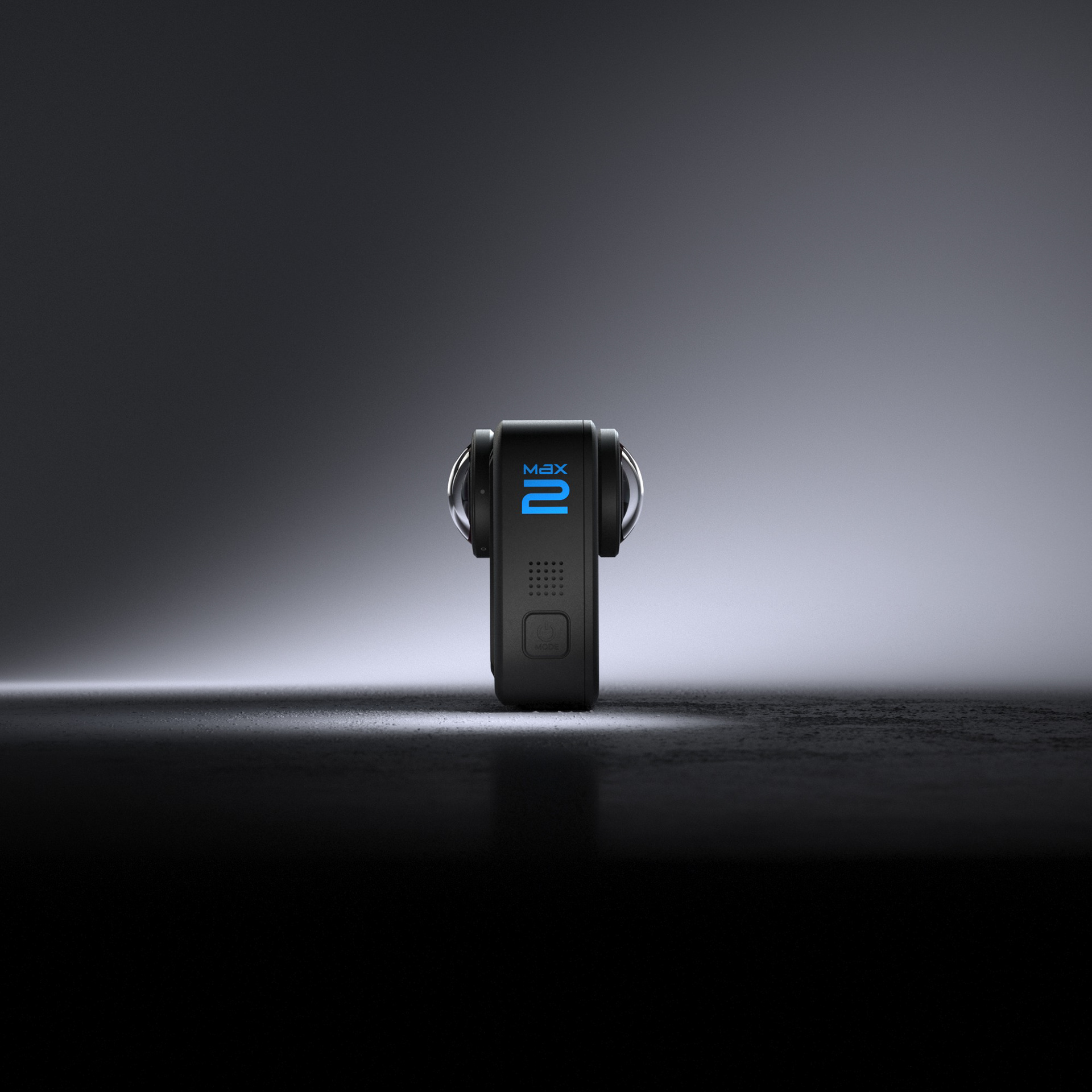
The visual direction was built around making the MAX2 feel future-forward while still grounded in real, tactile materials. Optical glass, refined surface detail, spatial lighting, and circular forms inspired by the dual-lens design helped shape a sleek, rugged visual language. This approach makes the innovation feel tangible while bringing engineering and cinema together.
Skills: 3D, Concepting, Layout, Lighting, Materials, Rendering, Compositing
Software: 3DS Max, V-Ray
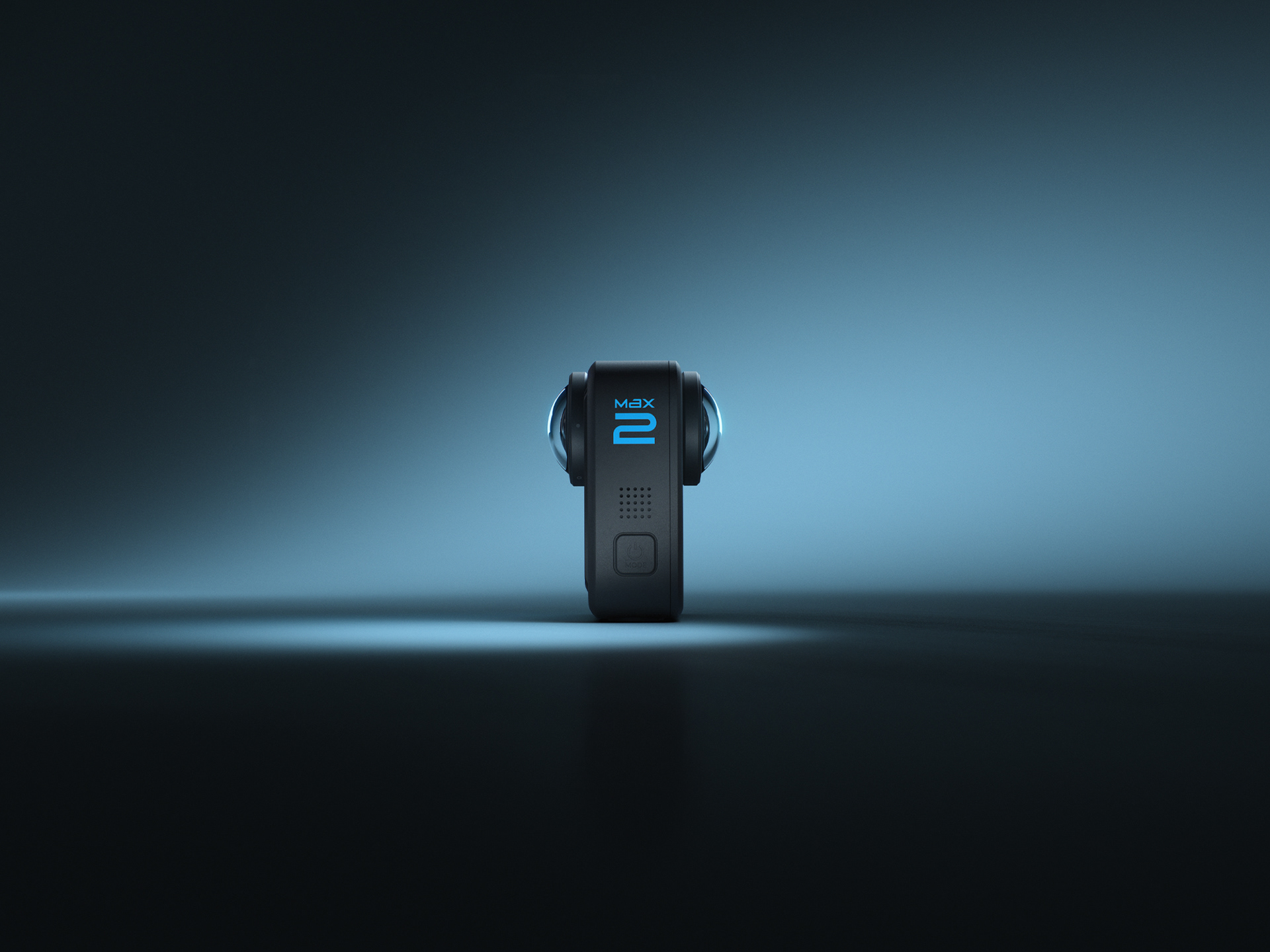
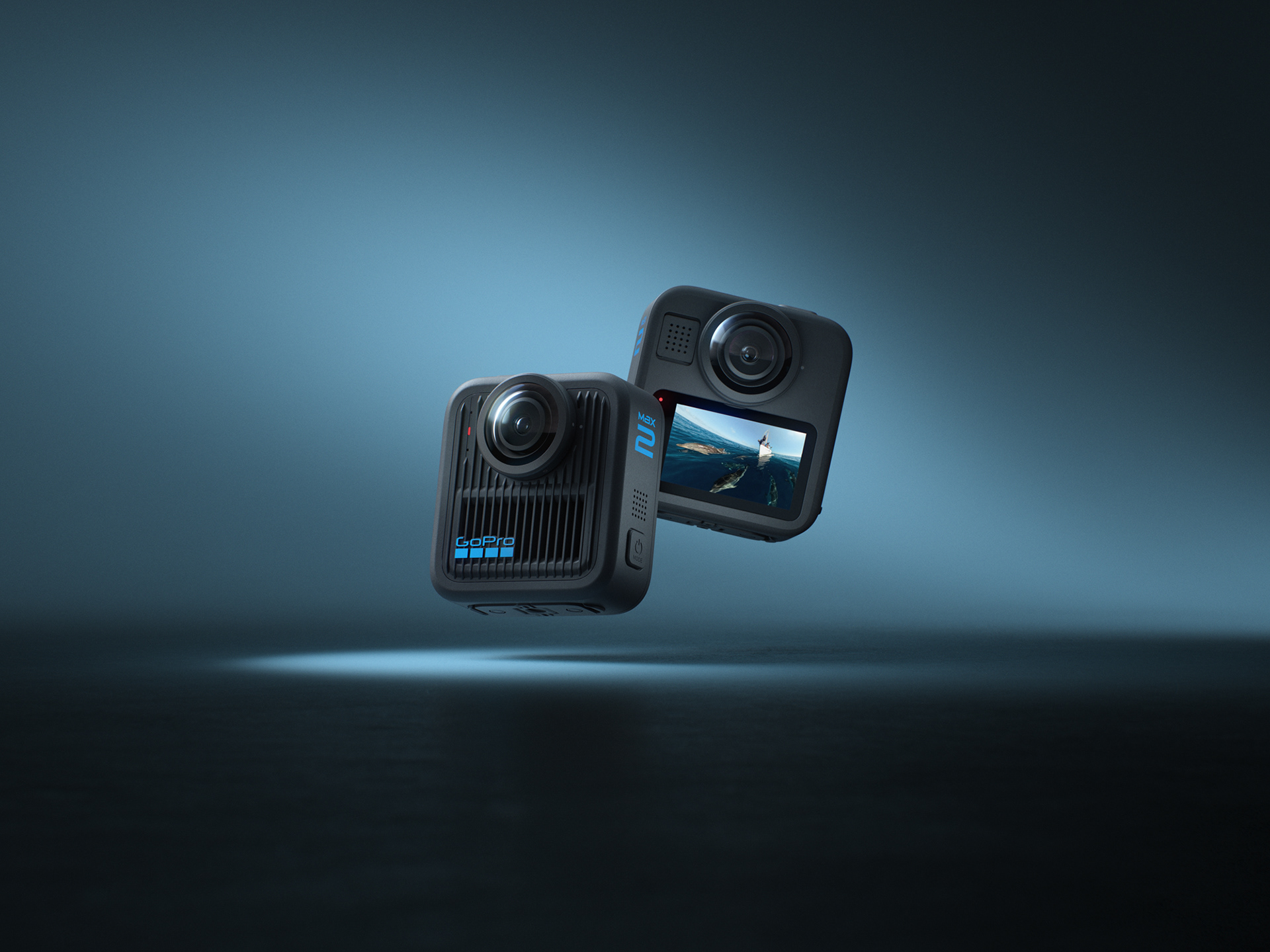
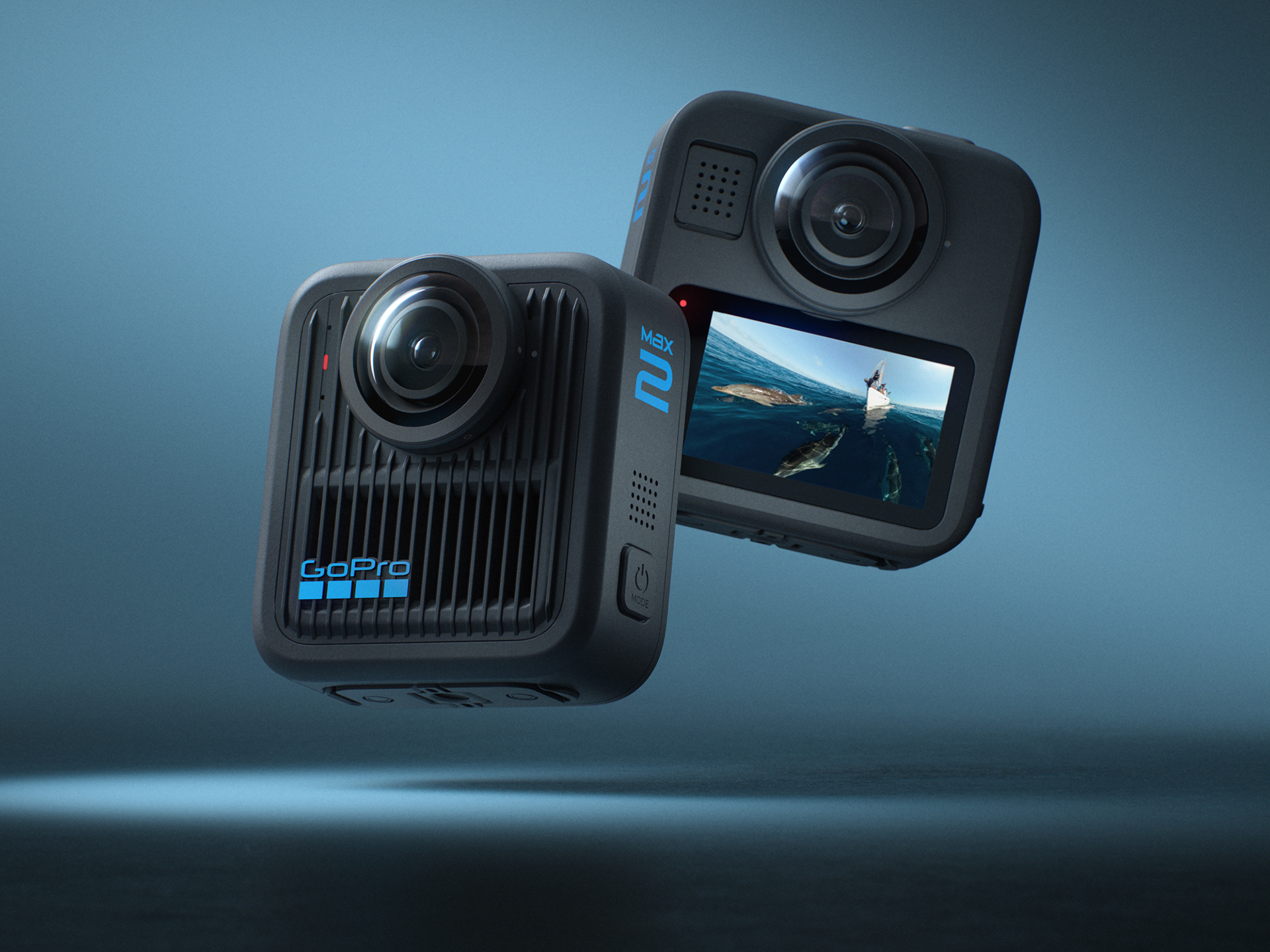
Accessories & Bundle Renders
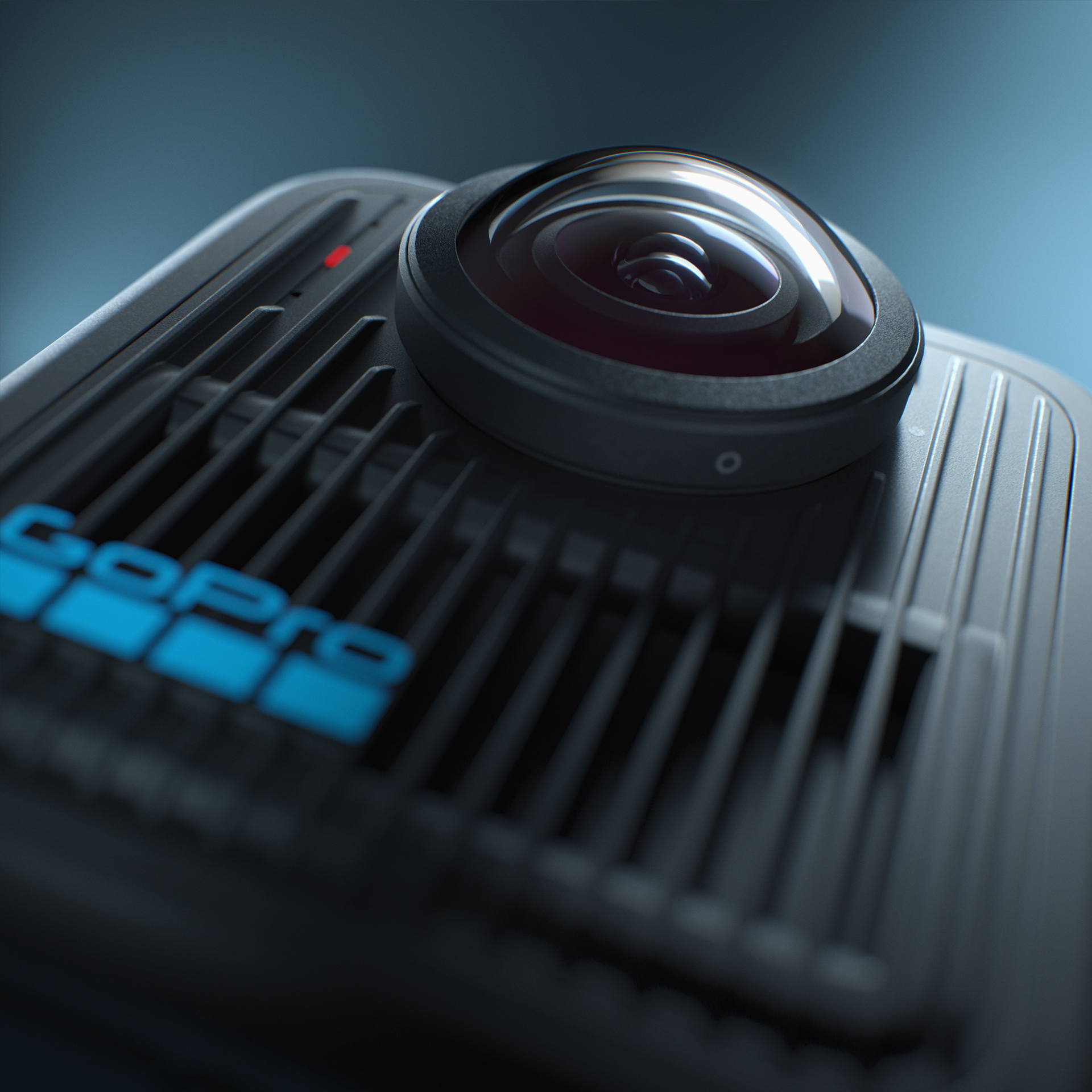
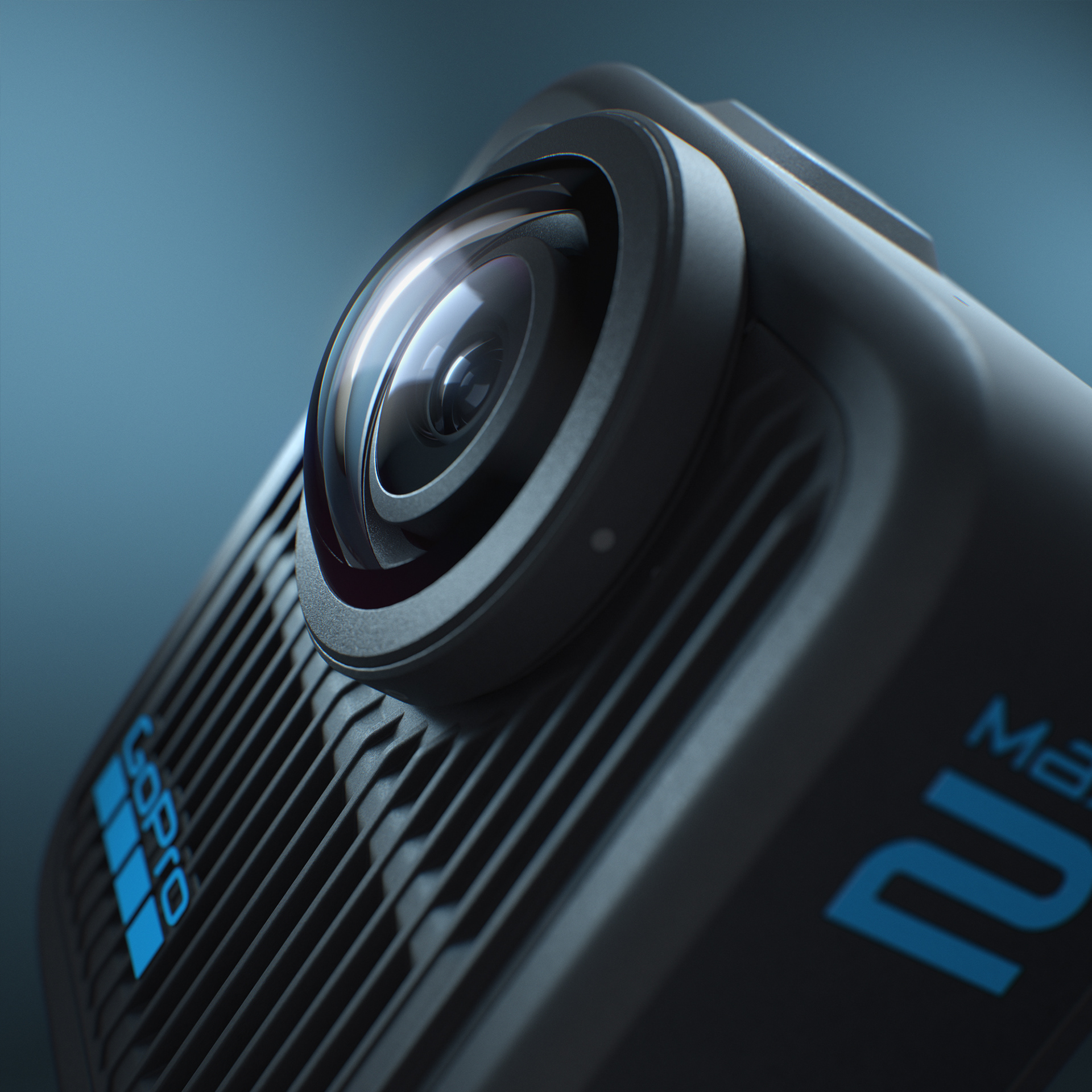
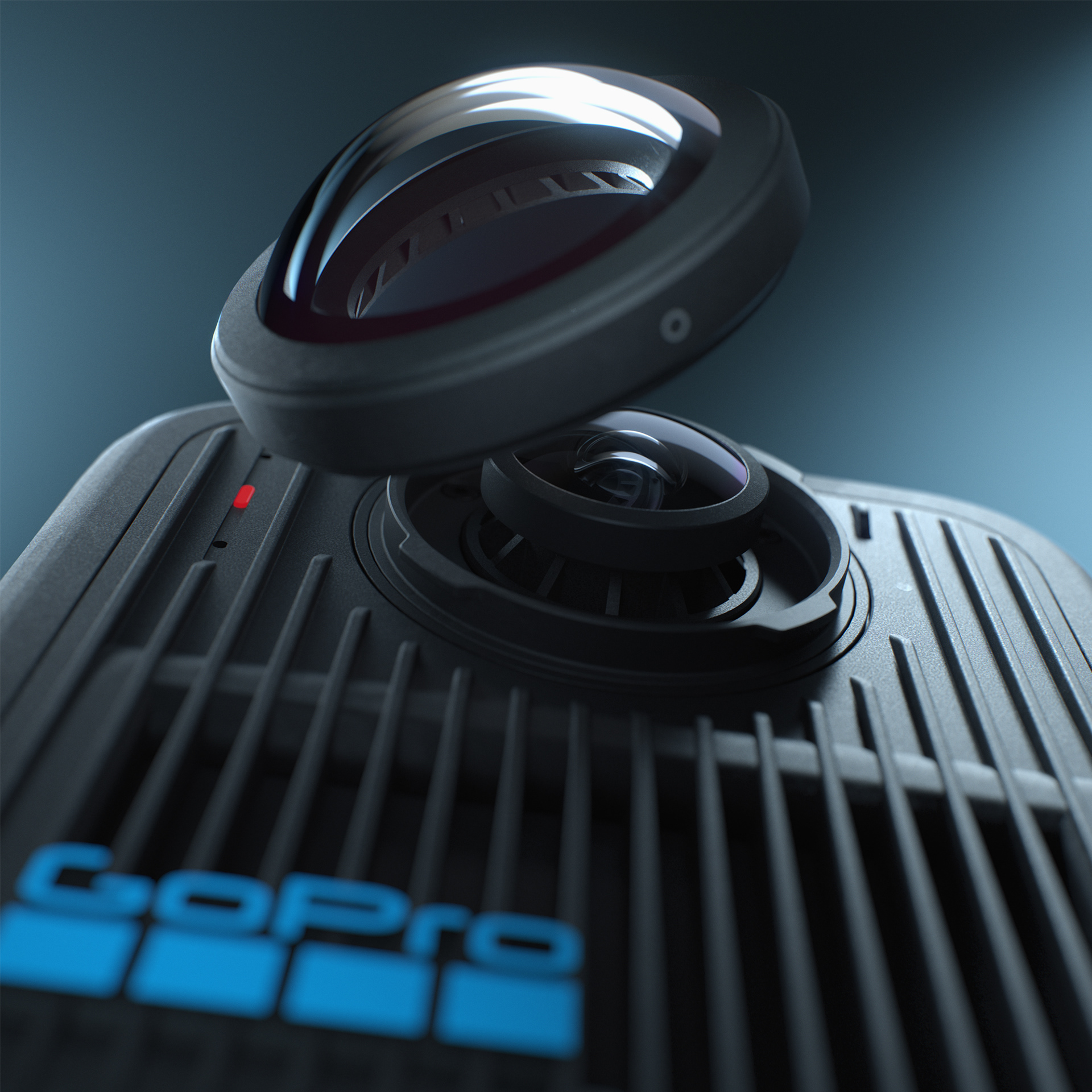
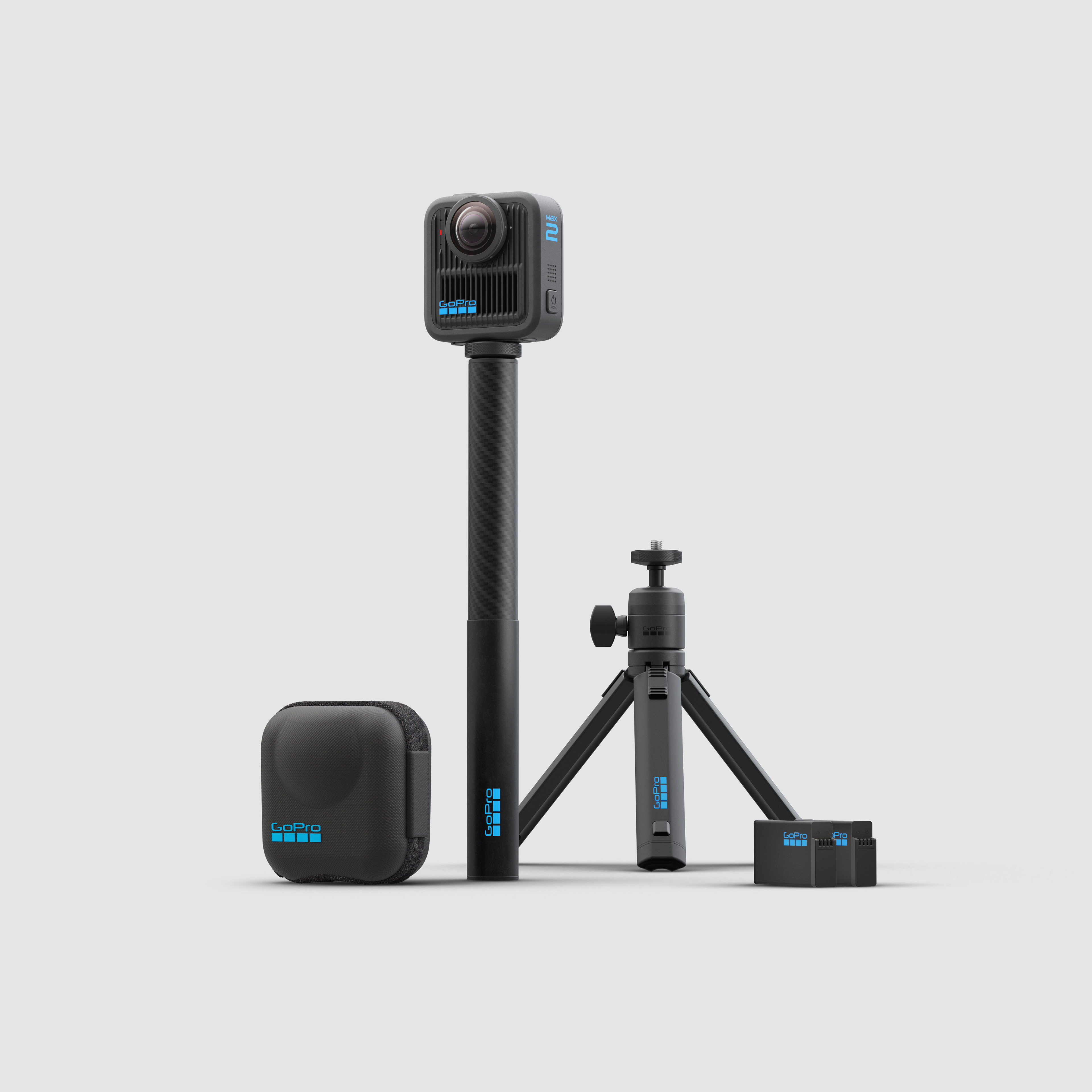
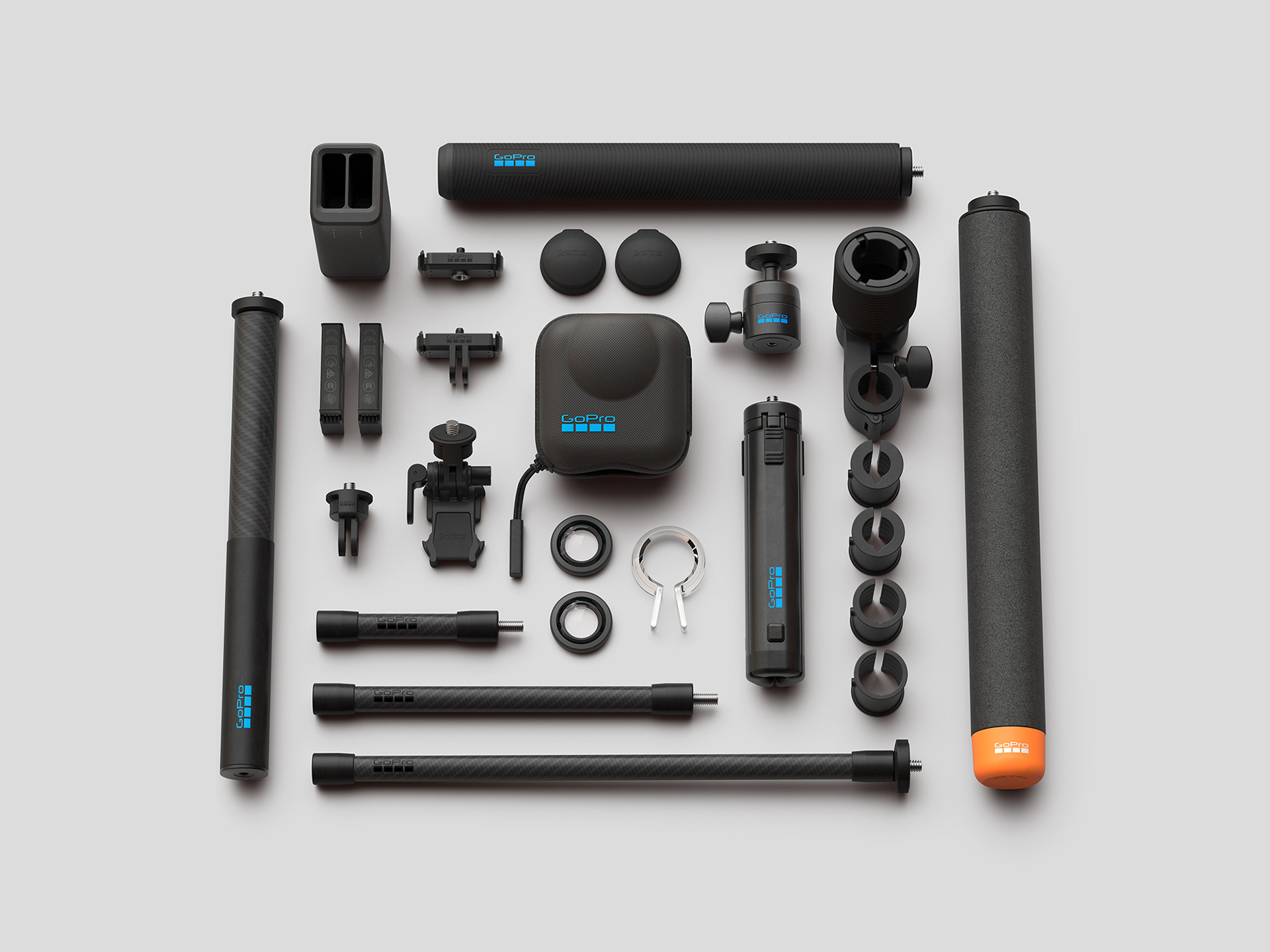
Multiple product renders were created to show off the MAX2's heat dissipation venting and twist-lock replaceable lens system, in addition to the product accessories that expand the MAX2's capabilities.
Durability Concepts
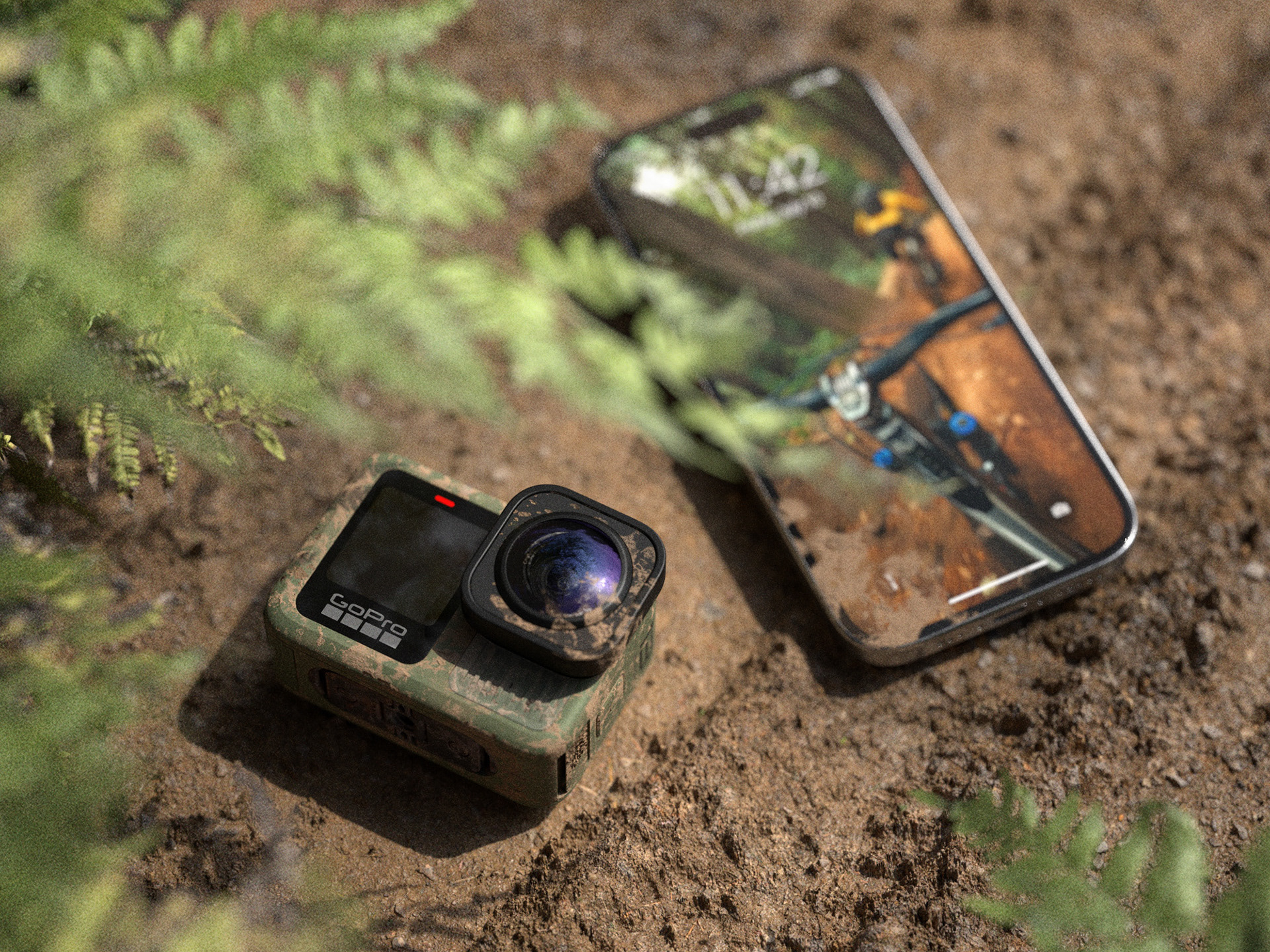
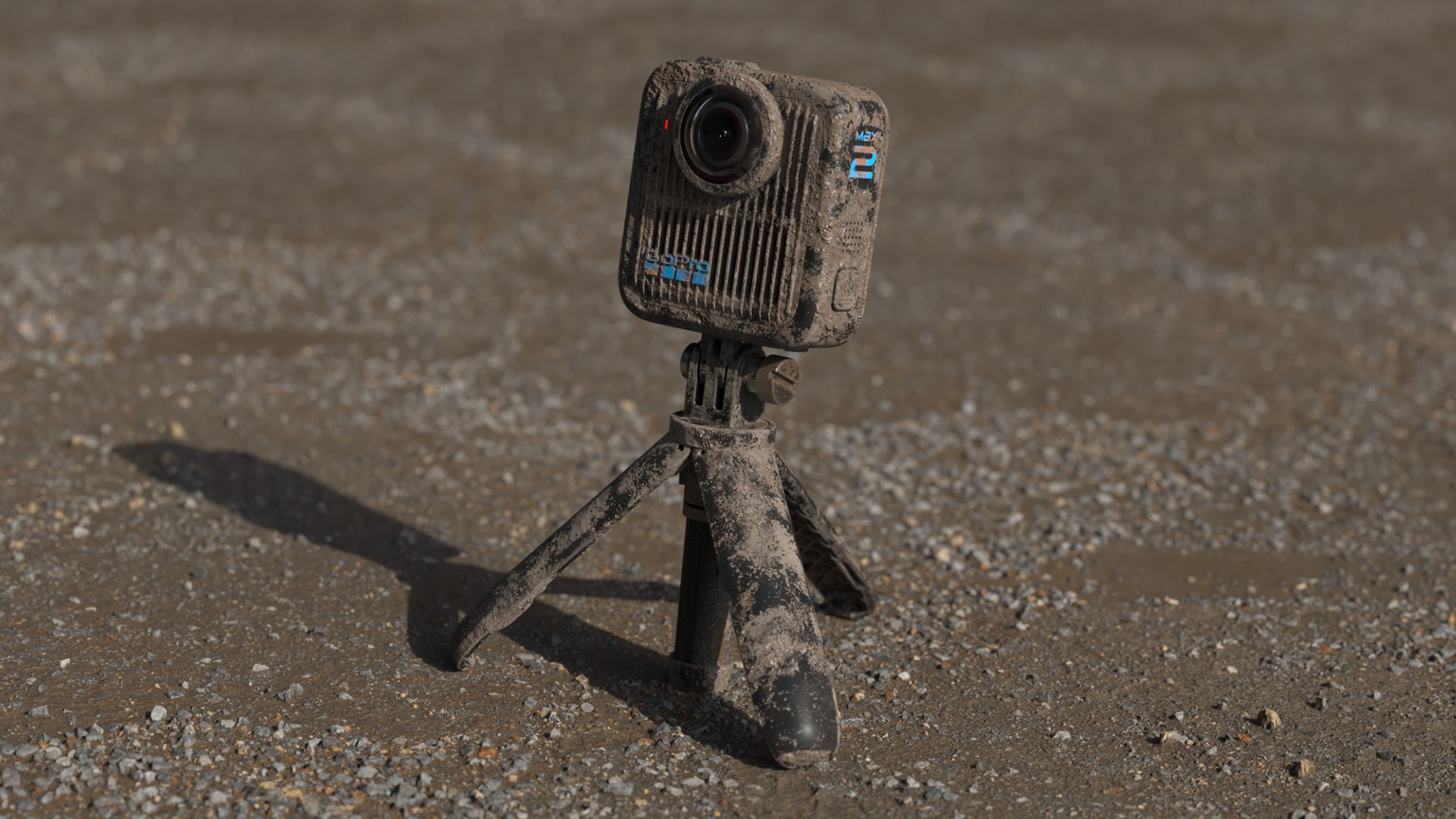
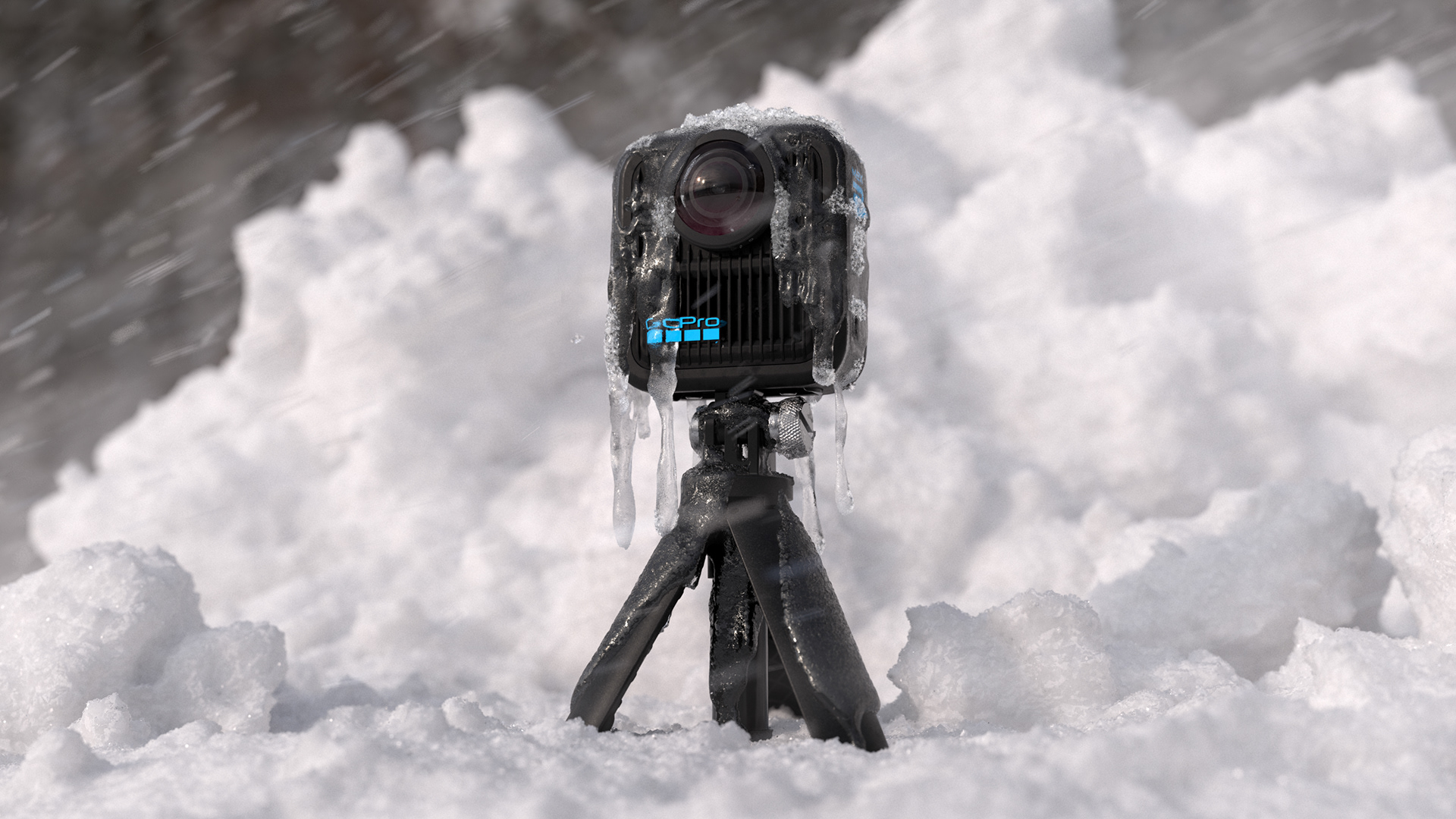
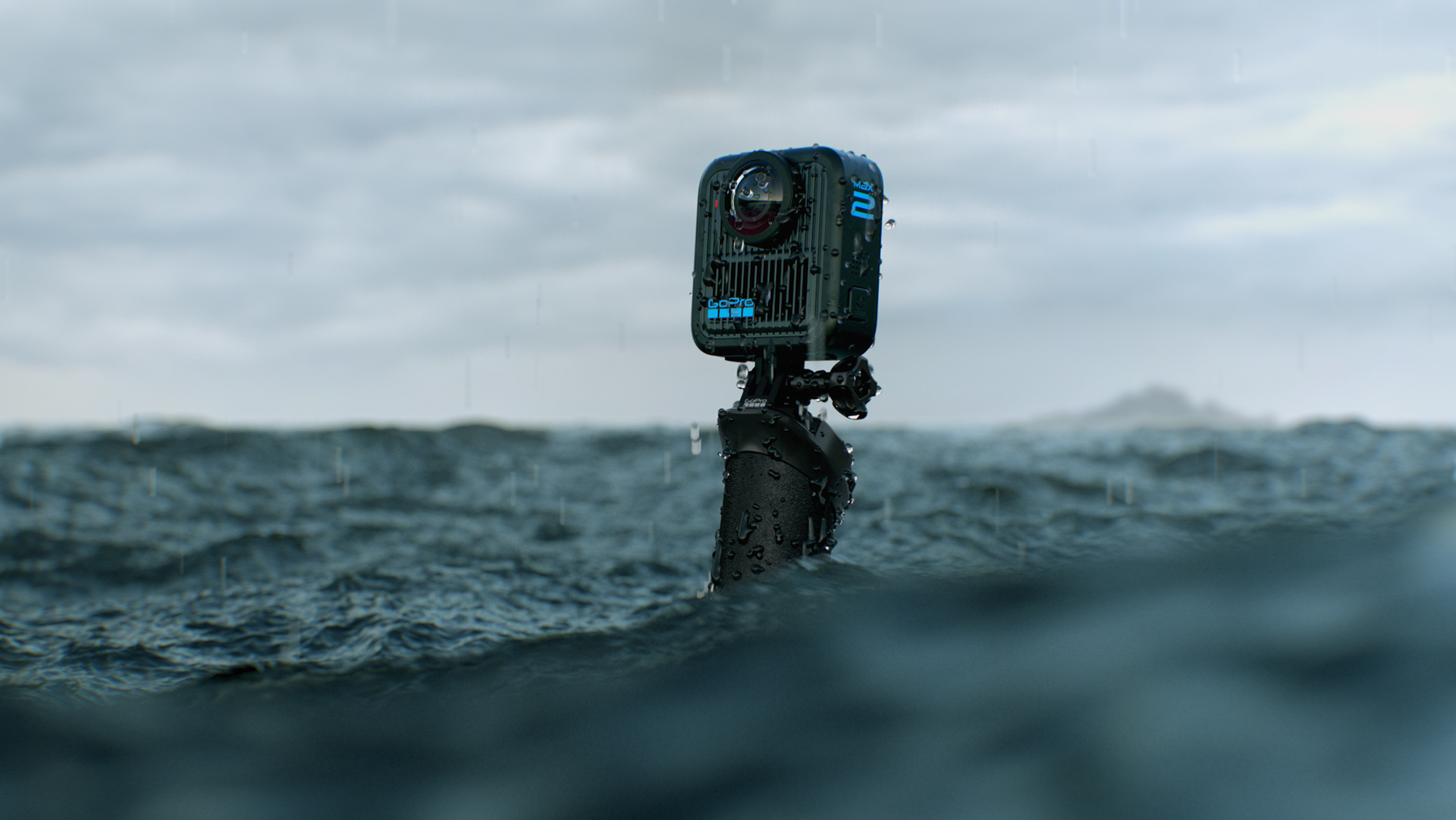
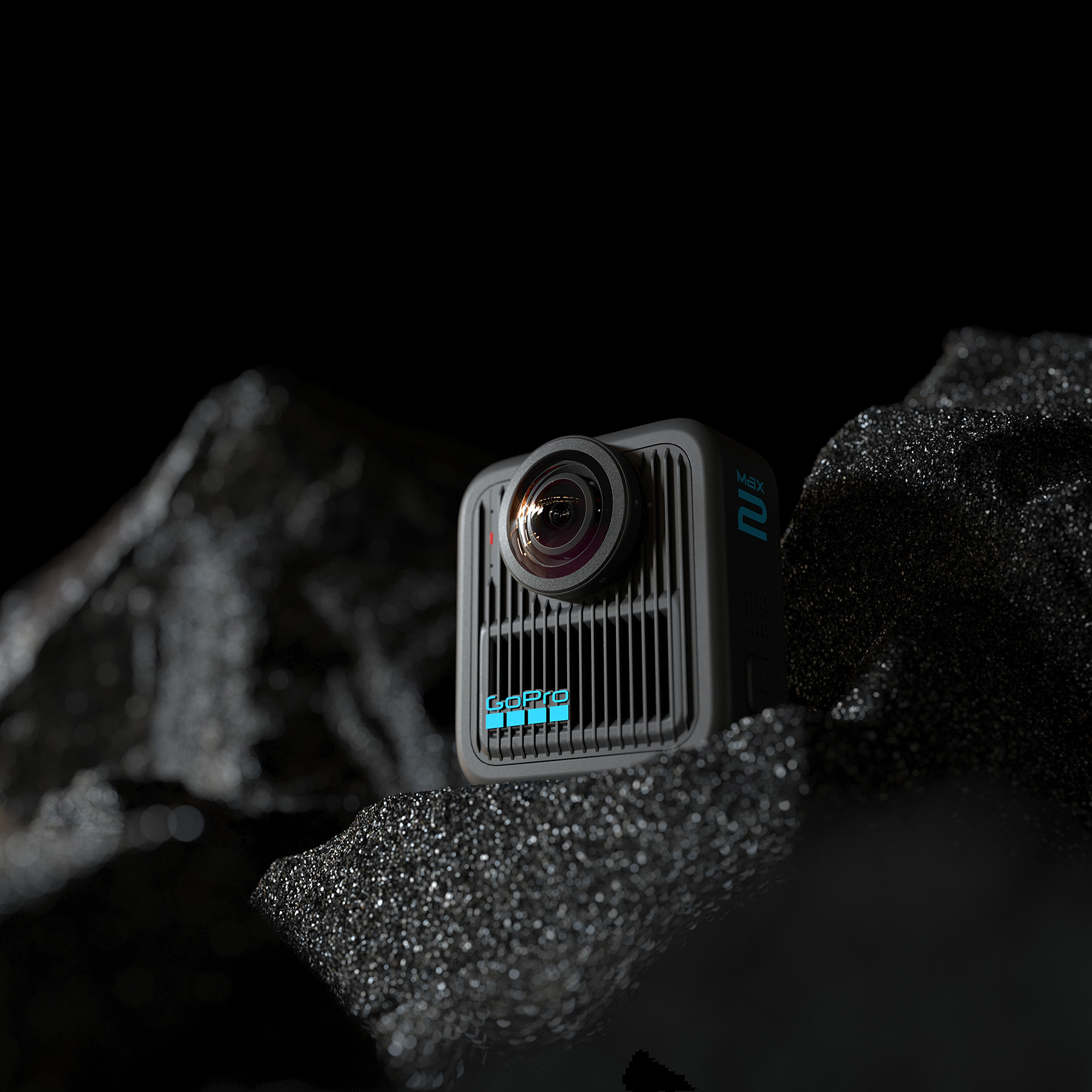
The MAX2 is built to survive the environments it's meant to shoot in; it is waterproof to 16 feet without an external housing, with a rugged body designed to handle water, mud, snow, and high-speed impact. Early proof-of-concept renders were created to make that point, showcasing the camera's durability across a range of environments and impact scenarios.
Concepting Phase
The concepting phase explored a wide range of directions before the final look came into focus. These included rings and spheres inspired by the 360 form, bright versus dark environments, different levels of atmosphere, and ways of making the space around the product feel more tangible. Testing those ideas helped narrow the visual language into something futuristic while still grounded in real materials and cinematic light. Ultimately, the strongest direction was one where engineering and cinema felt like part of the same idea.
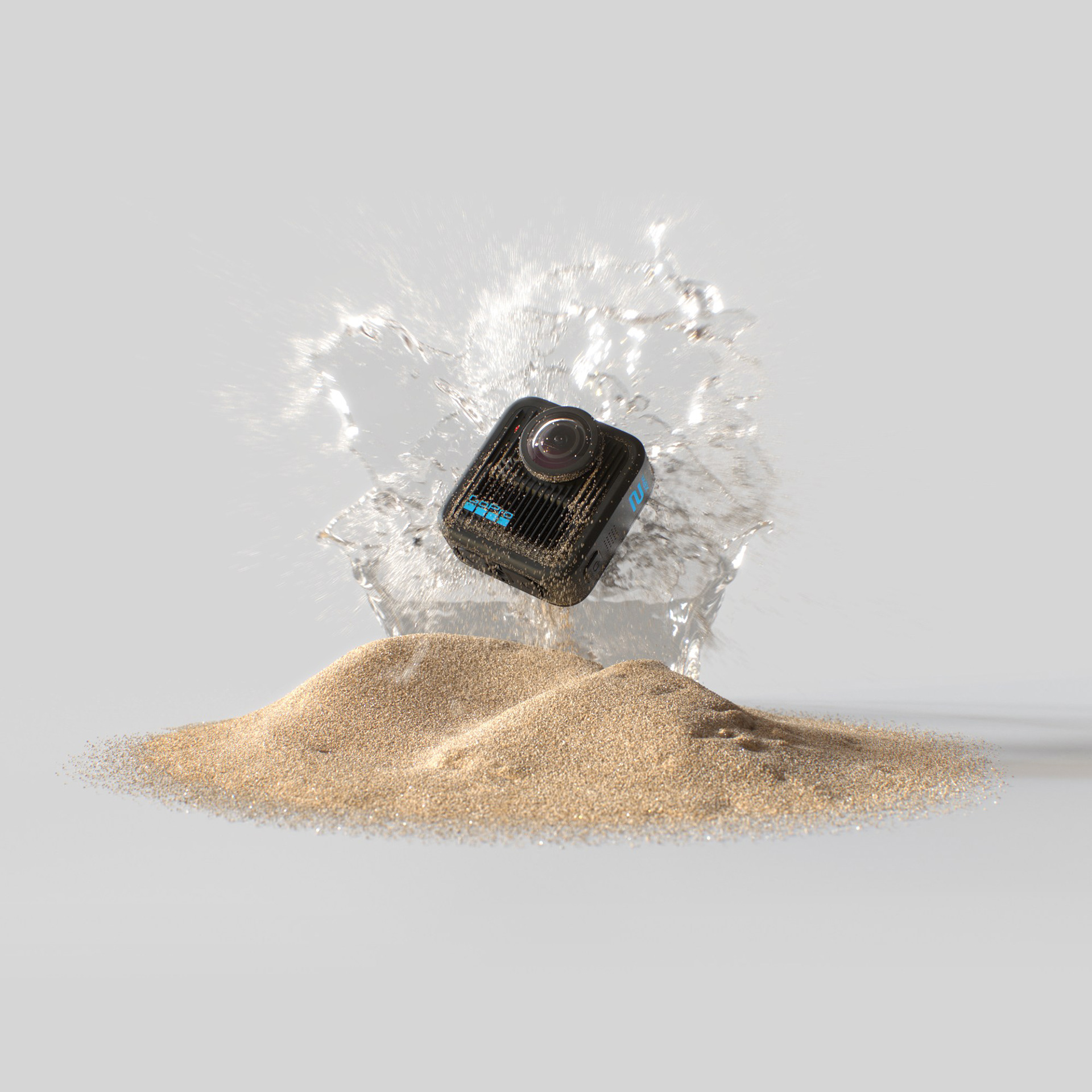
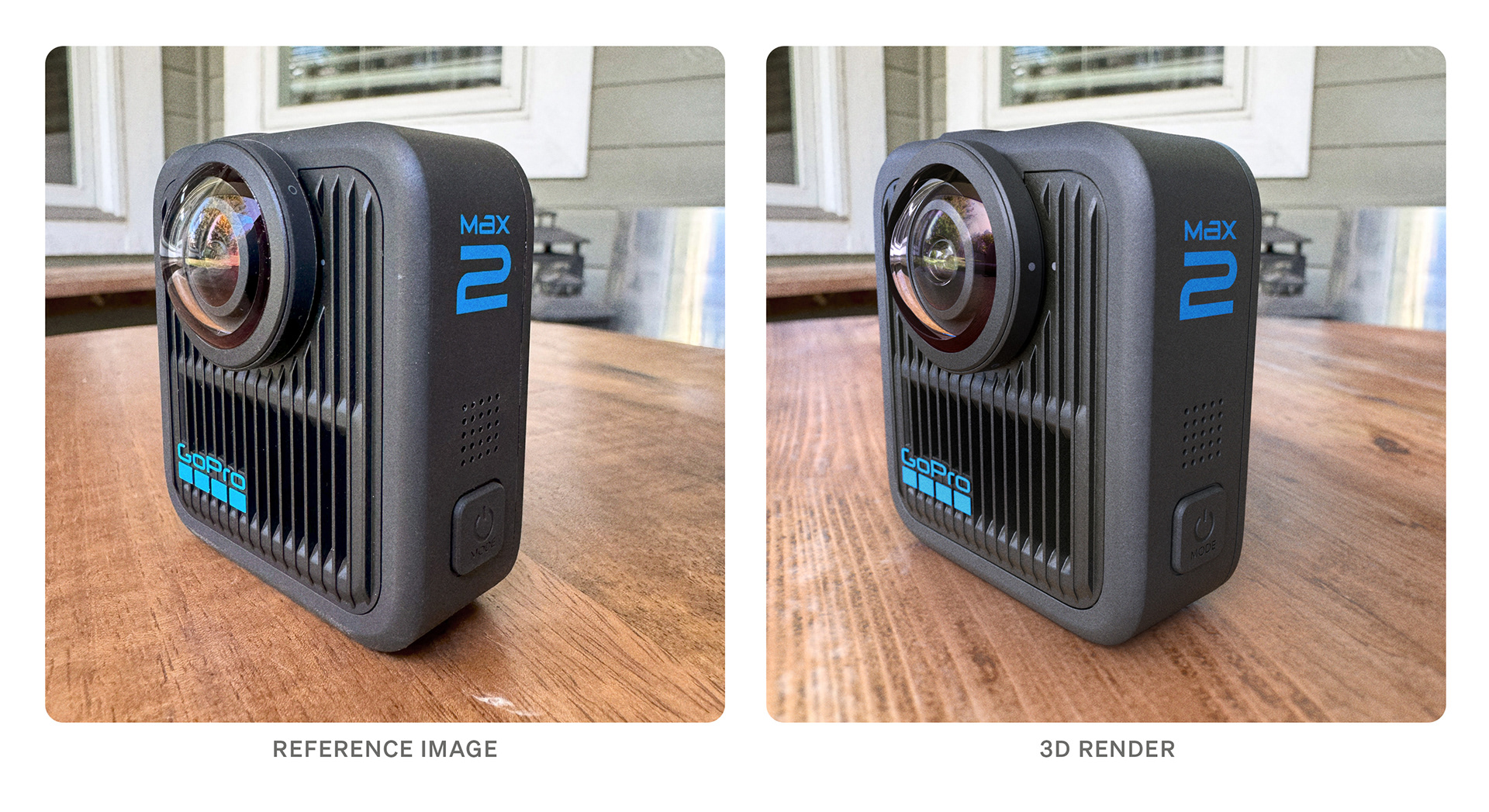
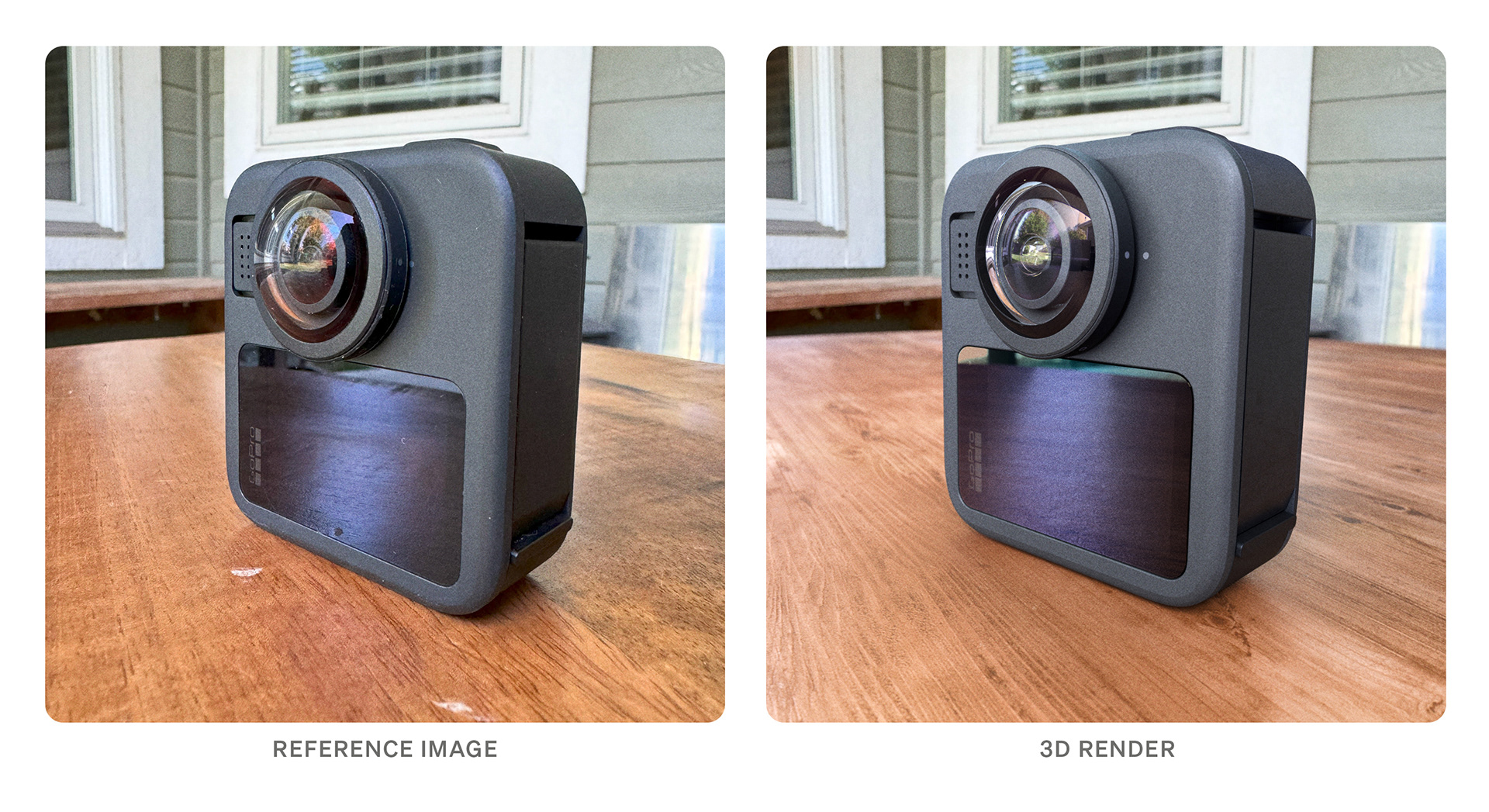
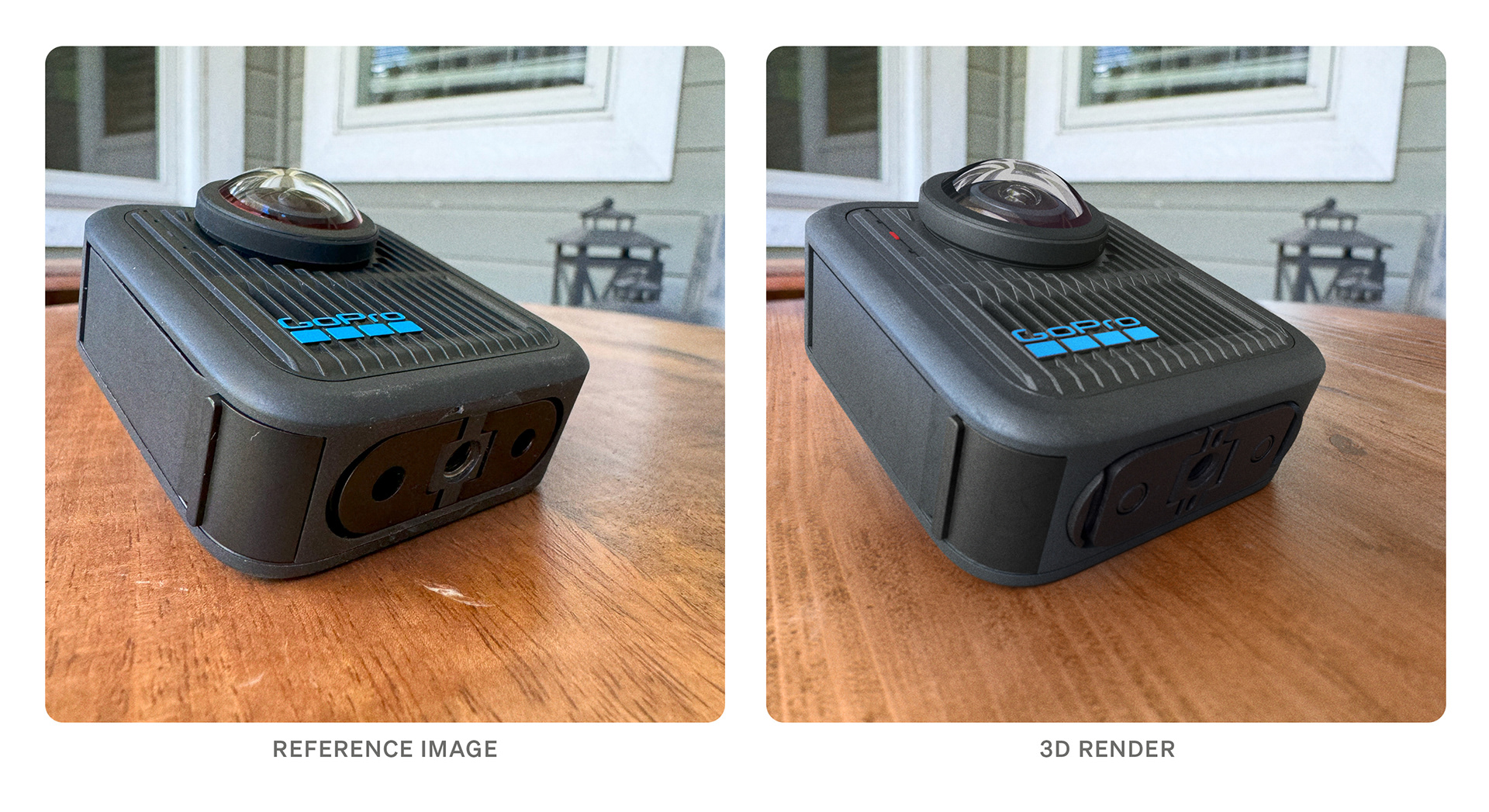
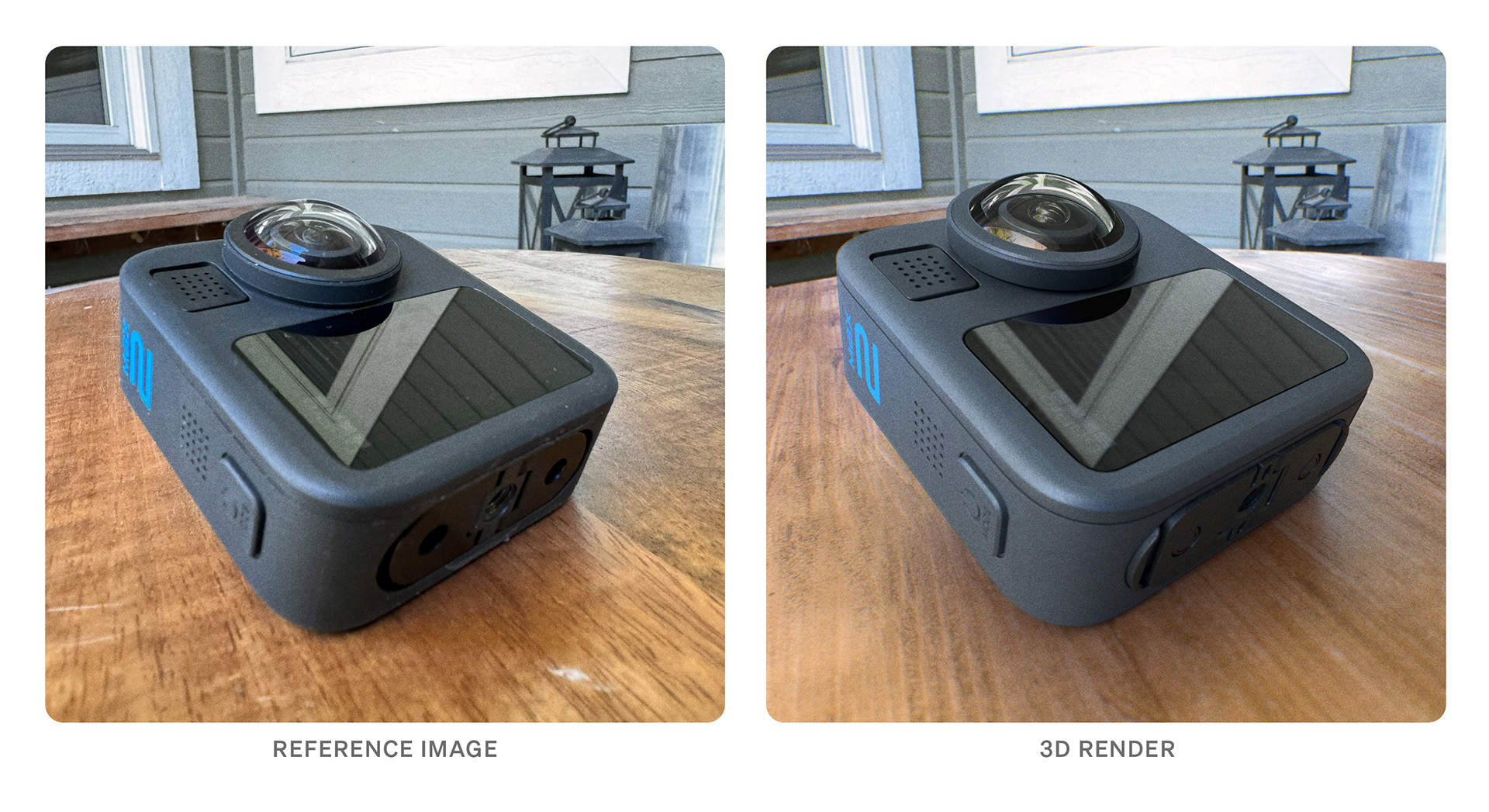
Material Study
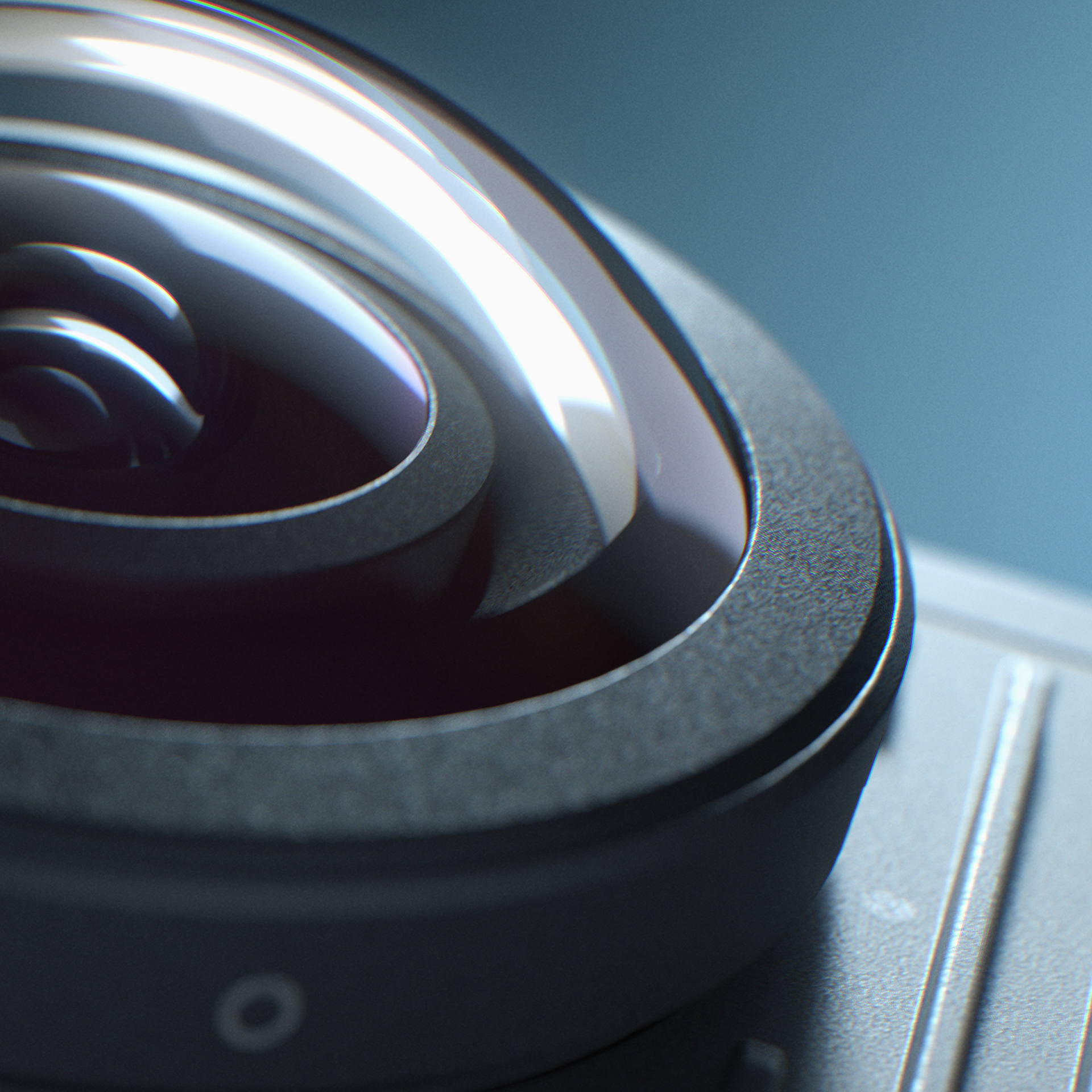
The material study focused on creating a near one-to-one digital double of the physical camera. Reference photography was used to match camera angles, lighting, materials, and surface response as accurately as possible. The goal was to build an asset that could hold up under any lighting or integration needs the design team might have, ranging from controlled studio setups to more complex environments, all while still feeling completely true to the product.